

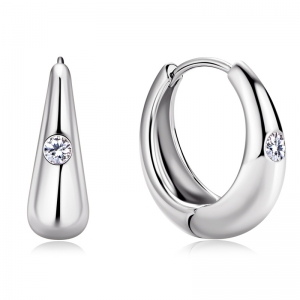
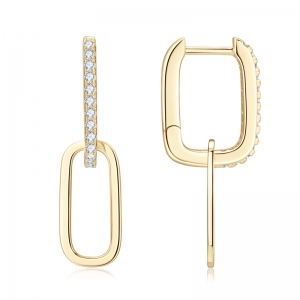
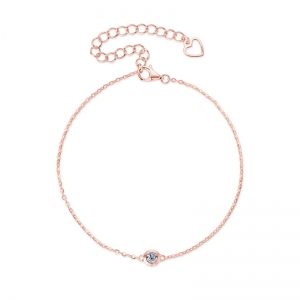
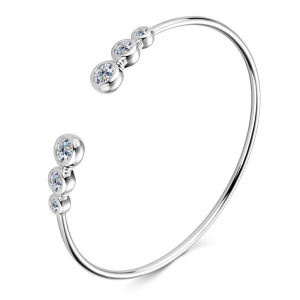

Surface preparation is a critical step in manufacturing gold-plated 925 sterling silver jewelry. Before gold plating, the silver surface must be clean, smooth, and properly treated. This directly affects plating adhesion, color consistency, and the long-term appearance of the finished jewelry.
For brands sourcing wholesale sterling silver jewelry, plating quality depends on more than gold thickness. Surface condition, polishing precision, and cleaning processes all influence the final result.
Typical preparation includes:
· Fine polishing to remove scratches and surface imperfections
· Ultrasonic cleaning to eliminate oil and polishing residue
· Surface activation to improve plating adhesion
· Pre-plating inspection to identify surface defects
Even minor scratches or contaminants can reduce plating consistency. Proper surface preparation helps create a smoother finish and improves batch-to-batch uniformity.
Process Step
Quality Benefit
Fine Polishing
Smooth, even surface
Ultrasonic Cleaning
Better plating adhesion
Surface Activation
More stable coating
Pre-Plating Inspection
Fewer surface defects
When evaluating a sterling silver jewelry manufacturer, it is worth asking about:
· Surface preparation methods
· Gold plating thickness options
· Batch color consistency
· Quality inspection procedures
While gold thickness is important, the condition of the silver surface before plating often has an equally significant impact on the final quality. A well-controlled preparation process helps improve appearance, coating stability, and production consistency, making it an essential part of manufacturing high-quality gold-plated sterling silver jewelry.



 Авторизоваться
 Зарегистрироваться