

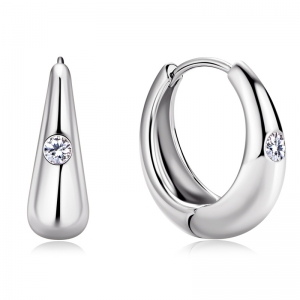
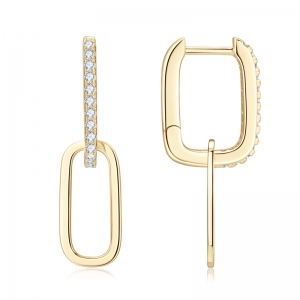
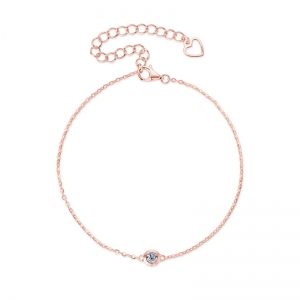
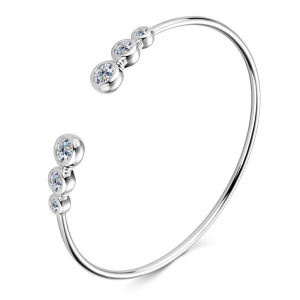
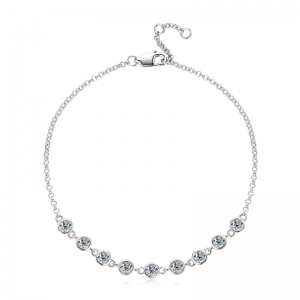
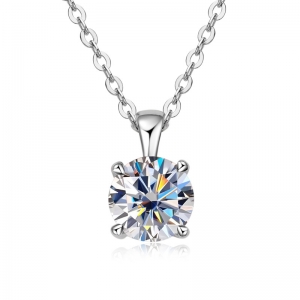
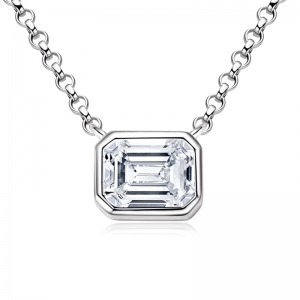
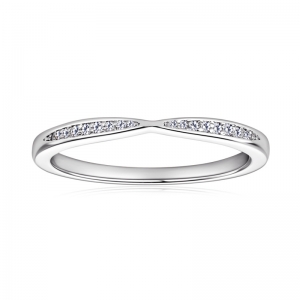
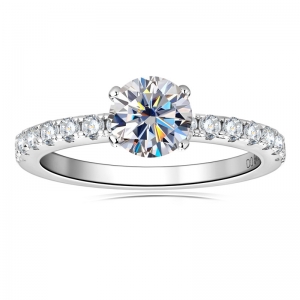
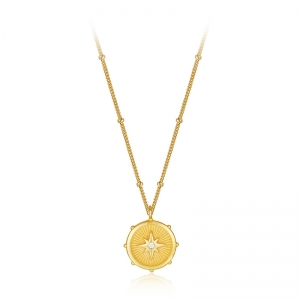
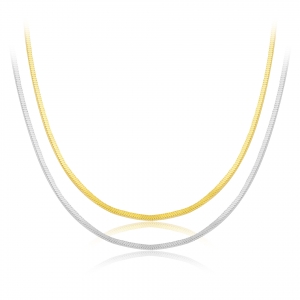
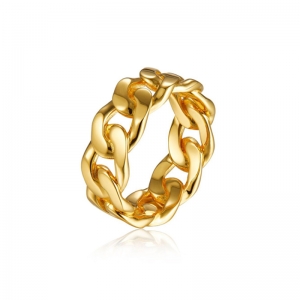
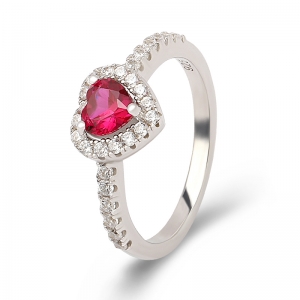
Copper jewelry offers high casting flexibility for detailed designs, while 316L stainless steel jewelry provides corrosion resistance, hypoallergenic performance, and long-term stability. For wholesale jewelry sourcing, material choice directly affects lifespan, return rate, and export compliance.
Copper alloy is widely used in fashion jewelry due to low cost and easy casting. It supports fine engraving and micro stone setting but oxidizes quickly without coating.
· Melting point: ~1085°C
· High casting flexibility for detailed shapes
· Requires plating (gold/rhodium/e-coating)
· Oxidation risk: high without protection
Factor
Copper Jewelry
Stainless Steel Jewelry
Design flexibility
High
Medium
Oxidation resistance
Low
High
Maintenance
High
Low
Wear life
3–12 months
2–5 years
Copper is mainly used in copper jewelry wholesale fast-fashion cycles.
316L stainless steel is standard for export OEM production due to corrosion resistance and low maintenance.
· Composition: Cr 16–18%, Ni 10–14%, Mo 2–3%
· ISO 9227 salt spray test: 48–96 hours
· Vacuum PVD plating: 0.3–0.5 microns
· Hypoallergenic rate: >99.9% (REACH compliant)
Factor
Copper
Stainless Steel
Corrosion resistance
Low
High
Warranty feasibility
Short
2–5 years
Export stability
Limited
Strong (EU/US)
Used widely in 316L stainless steel jewelry OEM programs.
· Fast fashion → copper jewelry
· Mid wholesale → mixed copper + steel
· Premium export → 316L stainless steel
MOQ:
· Copper: 300–800 pcs
· Stainless steel: 100–300 pcs
Typical workflow: CAD → casting → CNC setting → polishing → PVD → QC → export.



 Авторизоваться
 Зарегистрироваться